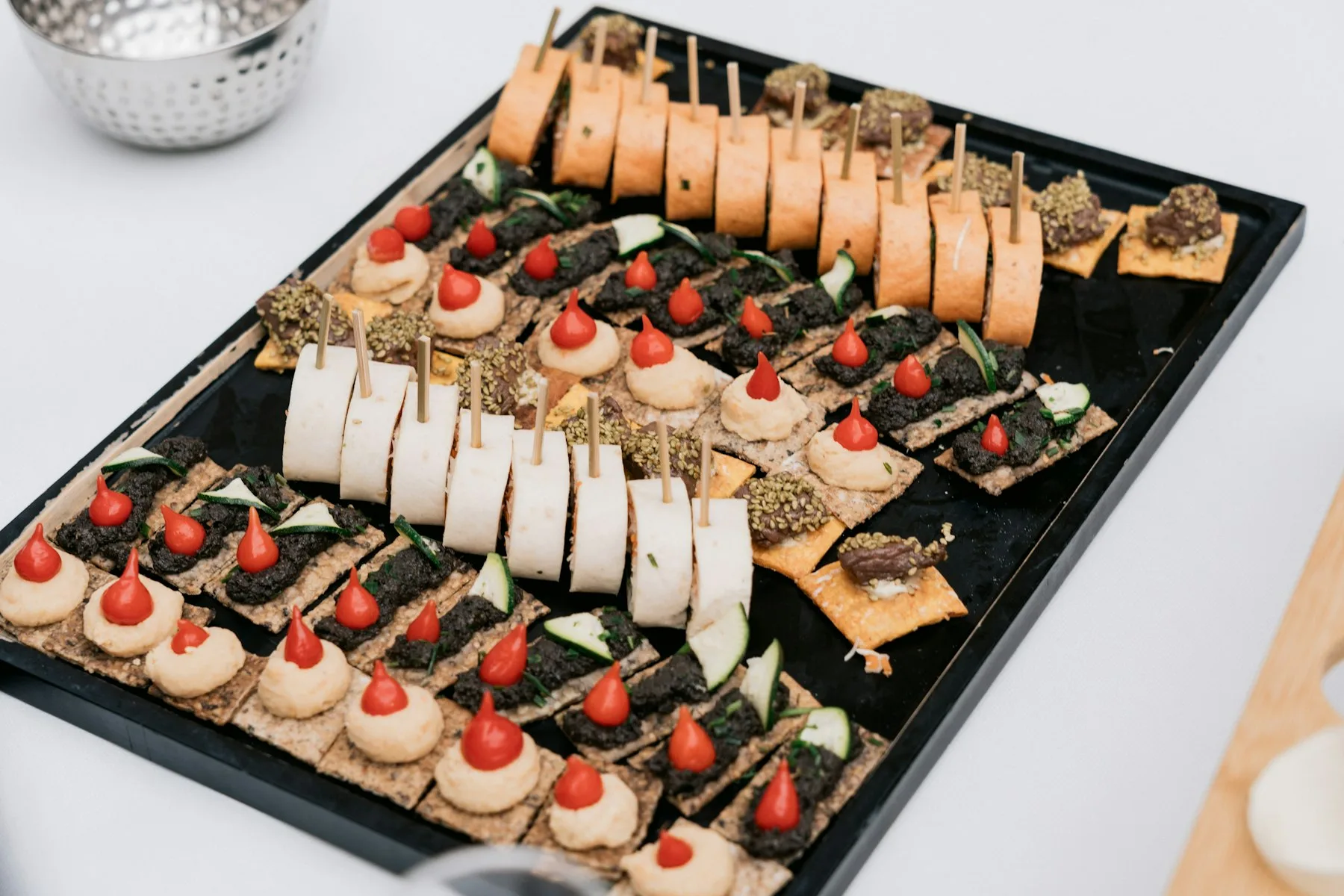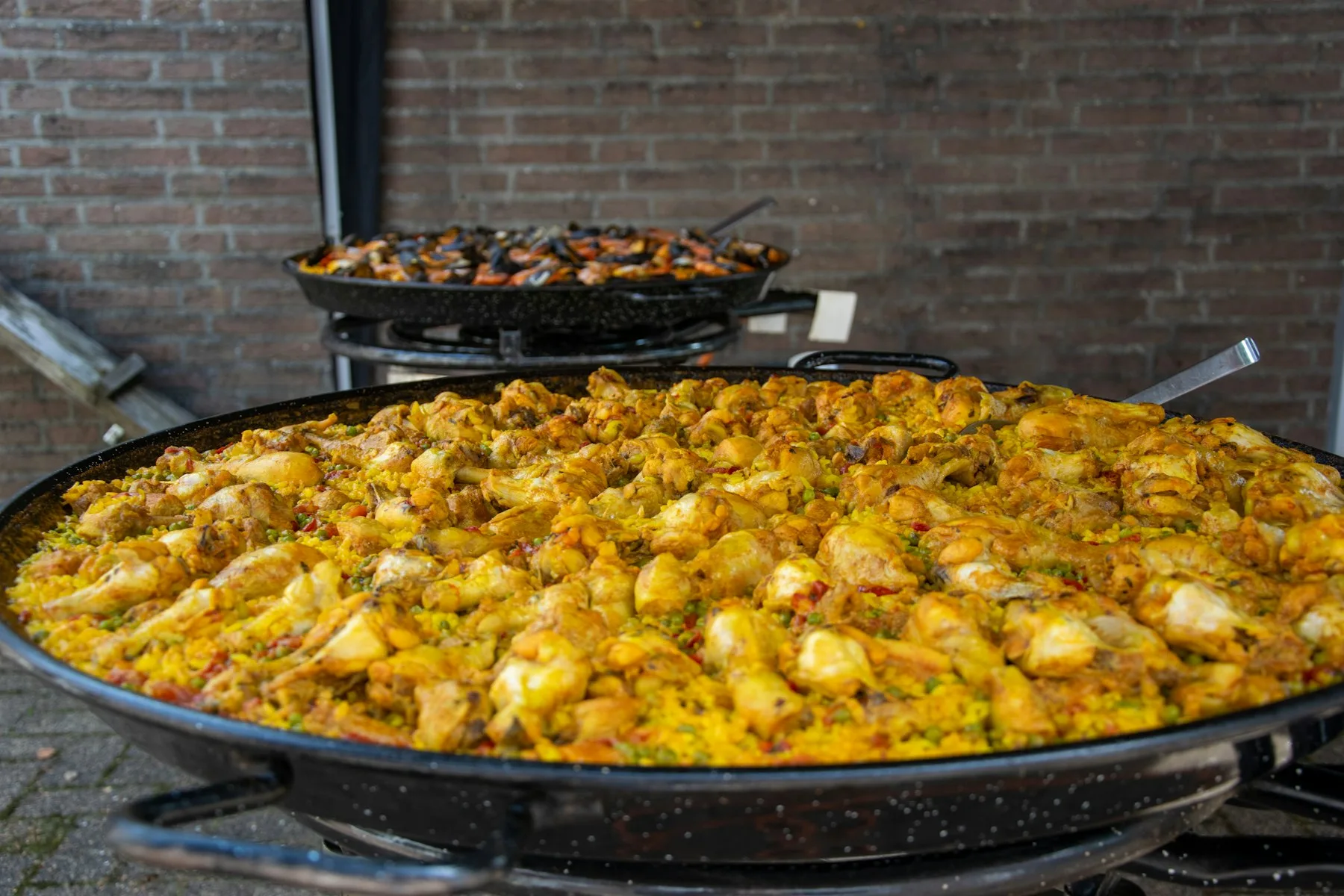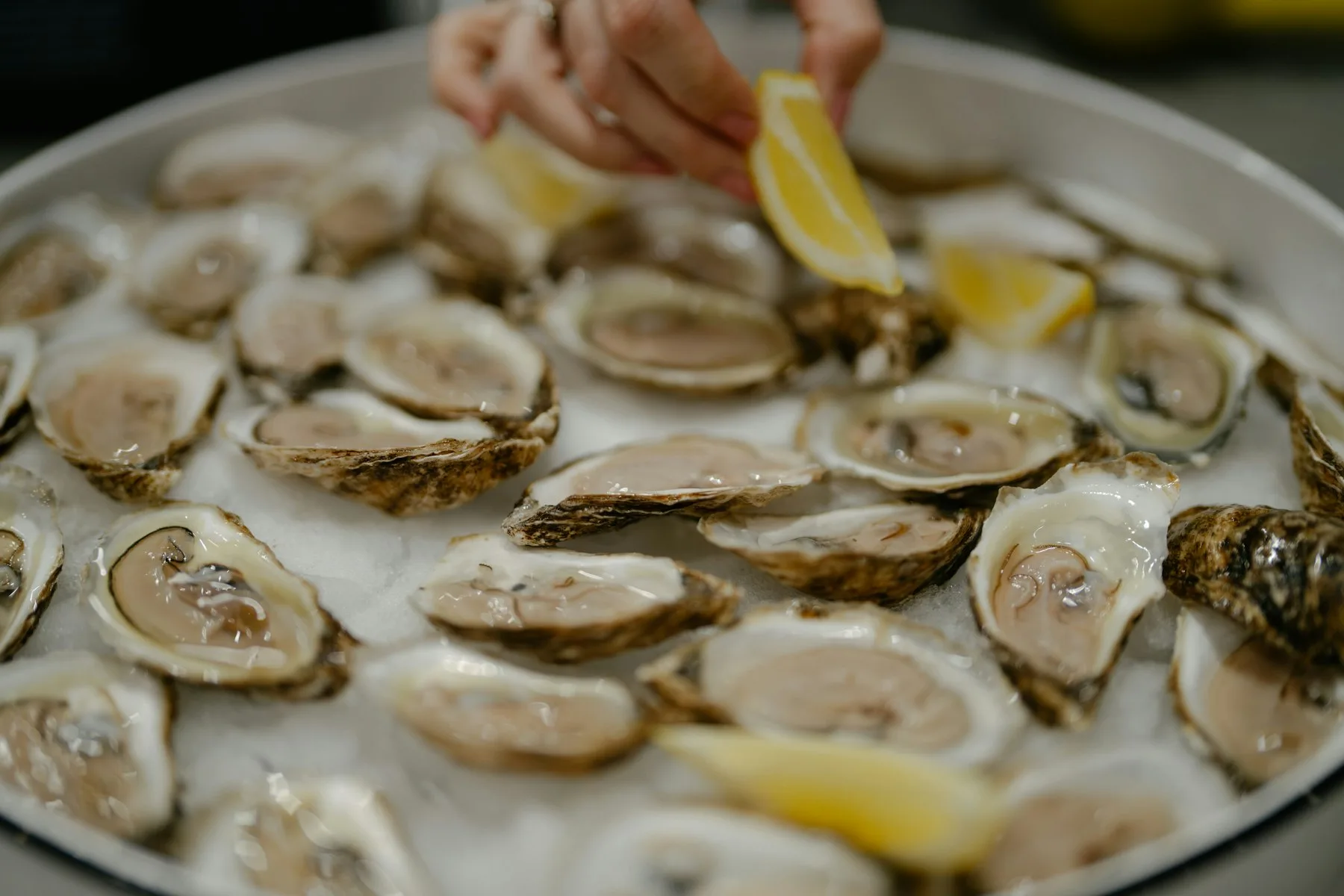
To choose between a cold and a hot buffet, look first at the season and the venue: a cold buffet suits a summer reception outdoors with no kitchen on site, a hot buffet is the one when it is cool or guests expect a proper seated meal. When in doubt, a mixed format — cold starters and one hot dish kept warm — settles most cases.
The cold buffet: flexible and self-sufficient
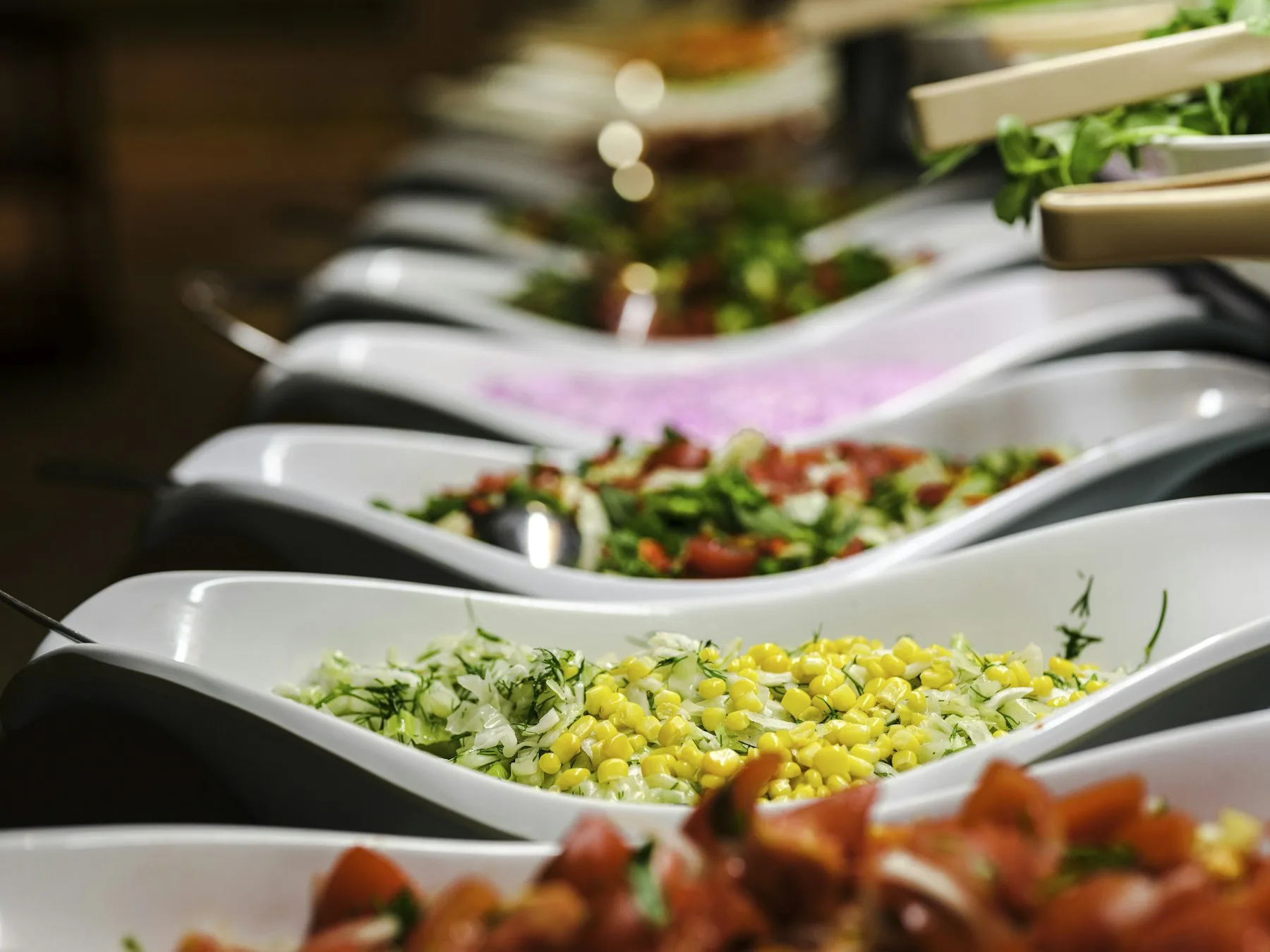
A cold buffet gathers items that hold at room or cool temperature: composed salads, charcuterie, marinated fish, verrines, cheeses and desserts. It is laid out ahead, needs no warming and runs without staff during service, which makes it the most self-sufficient format for a venue with no fitted kitchen.
Its limit is heat: at the height of summer, sensitive items — mayonnaise, cream, fish — must stay chilled and not sit for hours in the sun. You then lay it out in the shade, in waves, topping up from a chilled reserve rather than putting everything out at once.
The hot buffet: a full meal, more logistics
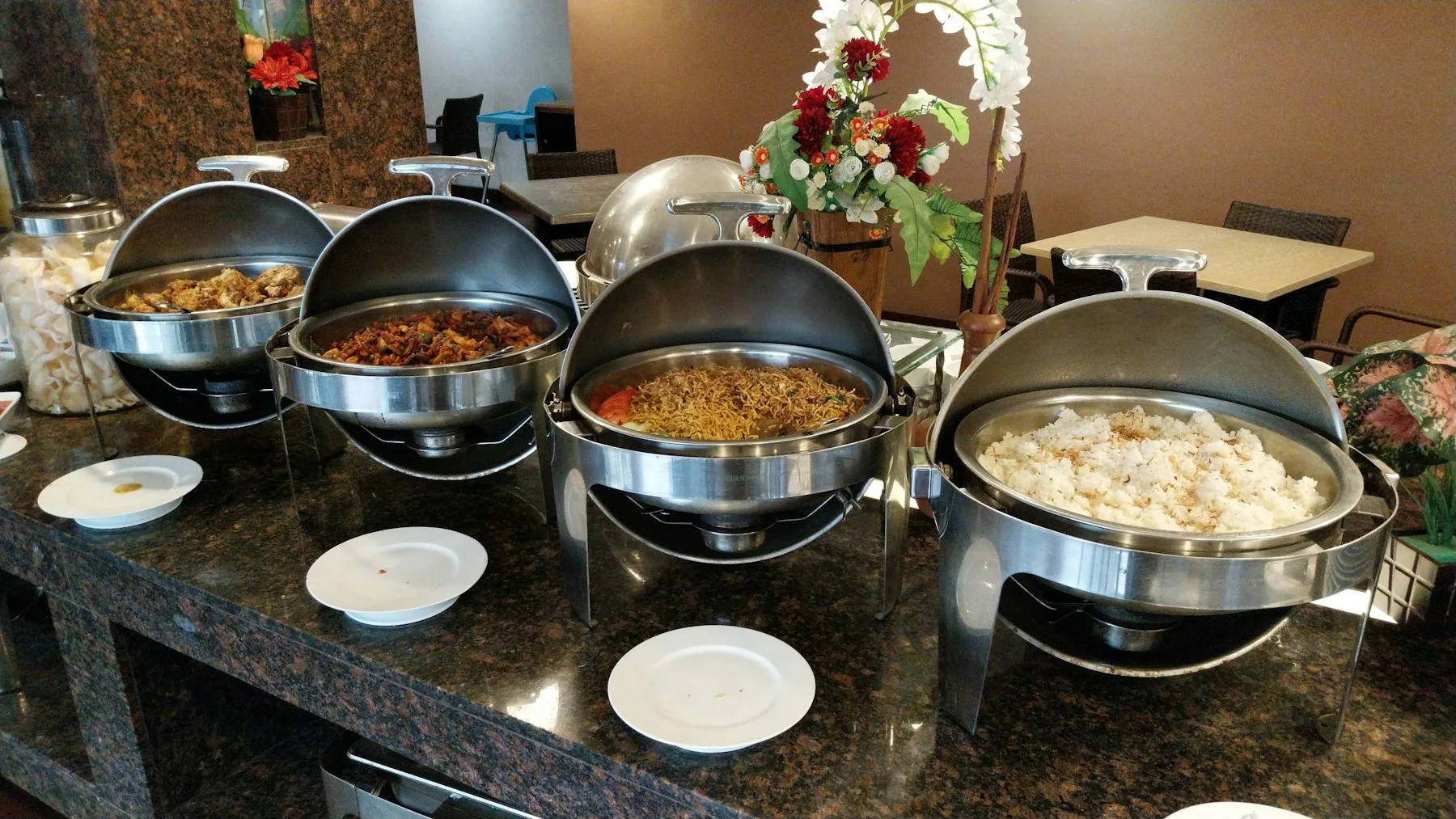
A hot buffet offers one or more dishes kept warm in chafing dishes, often stainless-steel bains-marie on burners. It reads as a complete meal, welcome when it is cold or when the reception stands in for dinner. In return it calls for equipment, an energy source and temperature monitoring throughout service.
The main constraint is holding heat: a dish must stay above 63 °C, which means enough chafing dishes and topping up from the kitchen or the truck. For a winter reception or a year-end celebration this logistics is worth it; for a light cocktail it is often unnecessary.
The criteria to decide
Four criteria separate the two formats in most cases. The table below sums them up; these are benchmarks, to be adjusted for the venue and the menu.
| Criterion | Leans cold | Leans hot |
|---|---|---|
| Season | Summer, outdoors | Autumn, winter |
| Venue | No kitchen, outdoor | With a warm point, indoor |
| Timing | Aperitif, light lunch | Dinner, main meal |
| Staff on site | Limited or none | Team present |
Guest numbers come second: the larger the table, the more chafing dishes and hands a hot dish needs to keep pace. A small group is more easily satisfied by a well-made cold buffet.
The mixed format, when you cannot choose
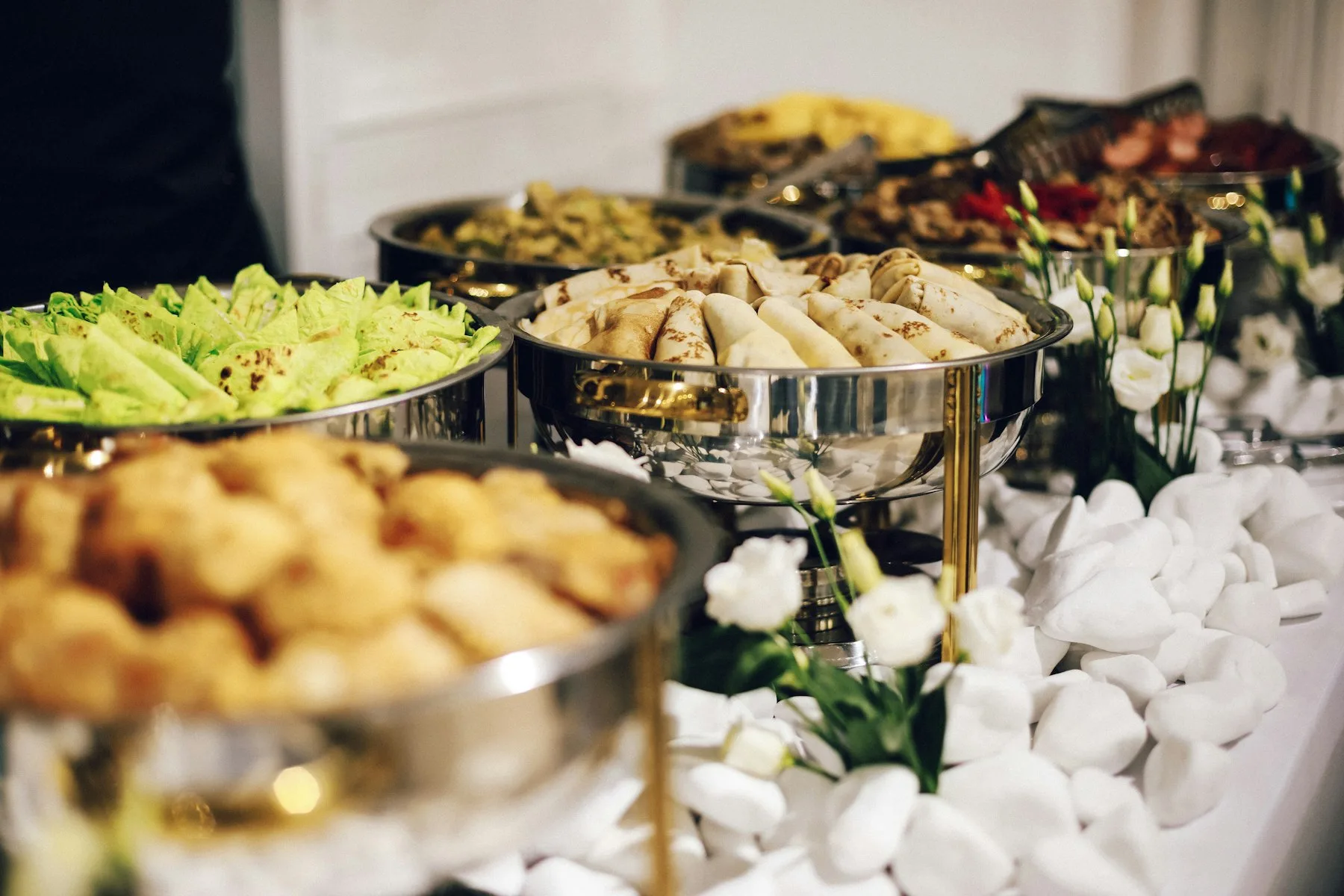
Most receptions do not choose starkly: they combine cold starters, laid out ahead, with one or two hot dishes kept warm, then cold cheeses and desserts. This mixed format covers a large table without betting everything on the logistics of heat, and adapts to the in-between seasons, spring and autumn, when the weather stays uncertain.
It is often the default choice for a wedding or a family celebration, where guests expect both the freshness of the starters and the presence of a hot dish. The balance between the two is decided by the venue and the time of day.
Deciding for your Montpellier reception
The choice is made case by case, according to venue, season and guest numbers. The cold or hot buffet service sets out both formats, and requests go through the contact page, where we go over the date, the address, the equipment available on site and the time of the meal before proposing a composition. For a reception in Montpellier or the wider area, it is often the venue that steers the decision: whether or not there is a warm point tips the balance.
Frequently asked questions
Which format for a summer wedding?
At the height of summer and outdoors, a cold buffet or a mixed format with a single hot dish is safer: less warming equipment, and sensitive items topped up from a chilled reserve. The whole is laid out in the shade to keep delicate pieces out of the sun.
Is a hot buffet possible with no kitchen on site?
Yes, provided you plan for chafing dishes and an energy source. The dishes are prepared ahead and held above 63 °C in bains-marie, topped up from the truck. It is feasible, but more demanding in equipment than a cold buffet, which is settled at booking.
What is the budget difference between the two?
It depends on the menu and the equipment rather than a fixed rule: a hot buffet involves chafing dishes, energy and often more service staff. We draw up a proposal according to the dishes chosen and the venue, with no published price list.
Can you mix cold and hot dishes?
Yes, it is in fact the most common case. A mixed format gathers cold starters laid out ahead, one or two hot dishes kept warm, then cold cheeses and desserts. It suits large tables and the in-between seasons, when the weather stays uncertain.